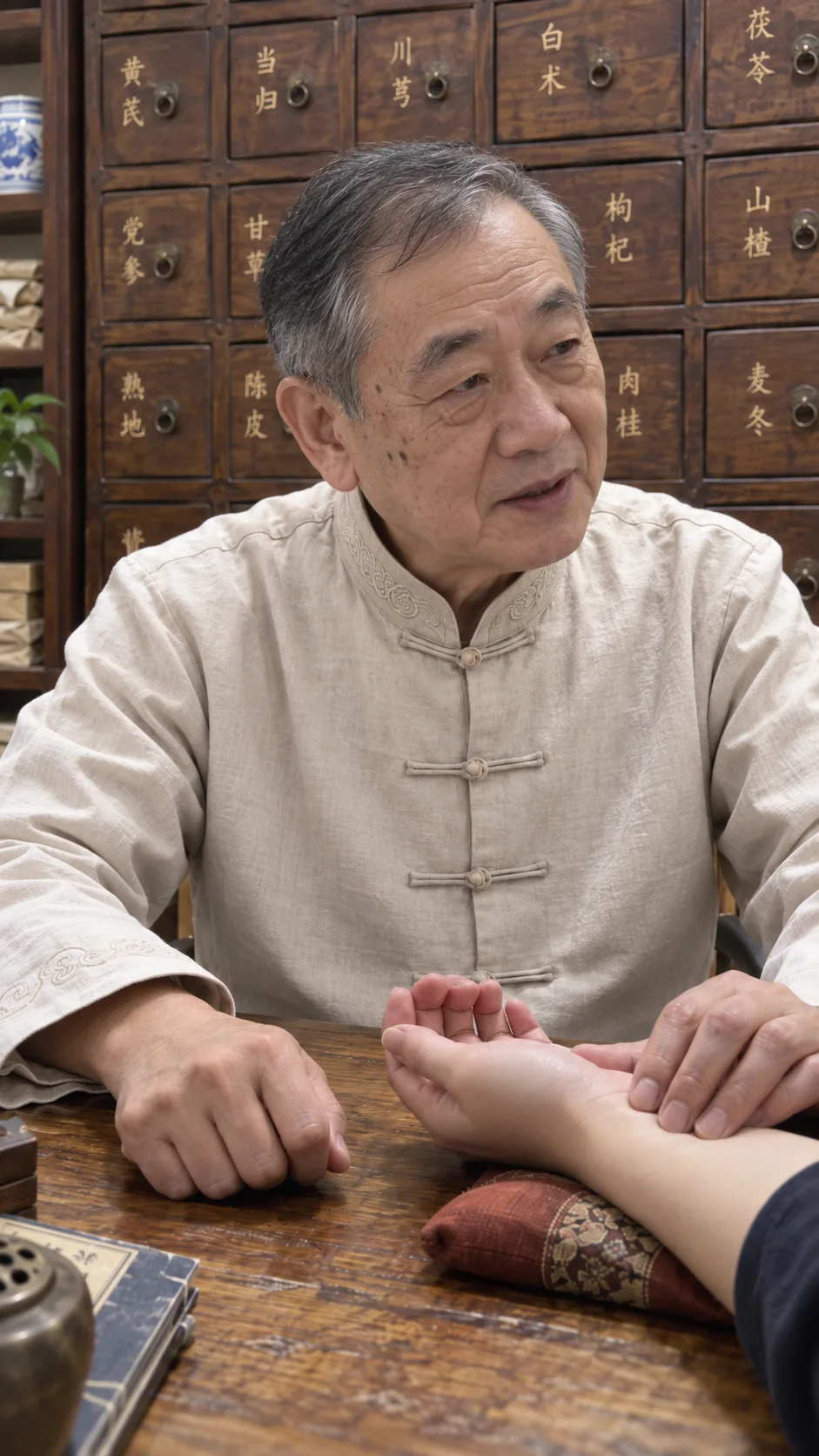
Shen Mingli
Physician
Age 66
Sleep that breaks at three in the morning and will not close again · Long-standing digestive complaints where the tests came back normal
Read the introductionLicensed in China · Written in English
You answer thirty questions and send one photograph of your tongue. Within 48 hours a physician licensed in China writes you a report in English about what Chinese medicine sees in the answers.
The people behind the house
Physician
Age 66
Sleep that breaks at three in the morning and will not close again · Long-standing digestive complaints where the tests came back normal
Read the introduction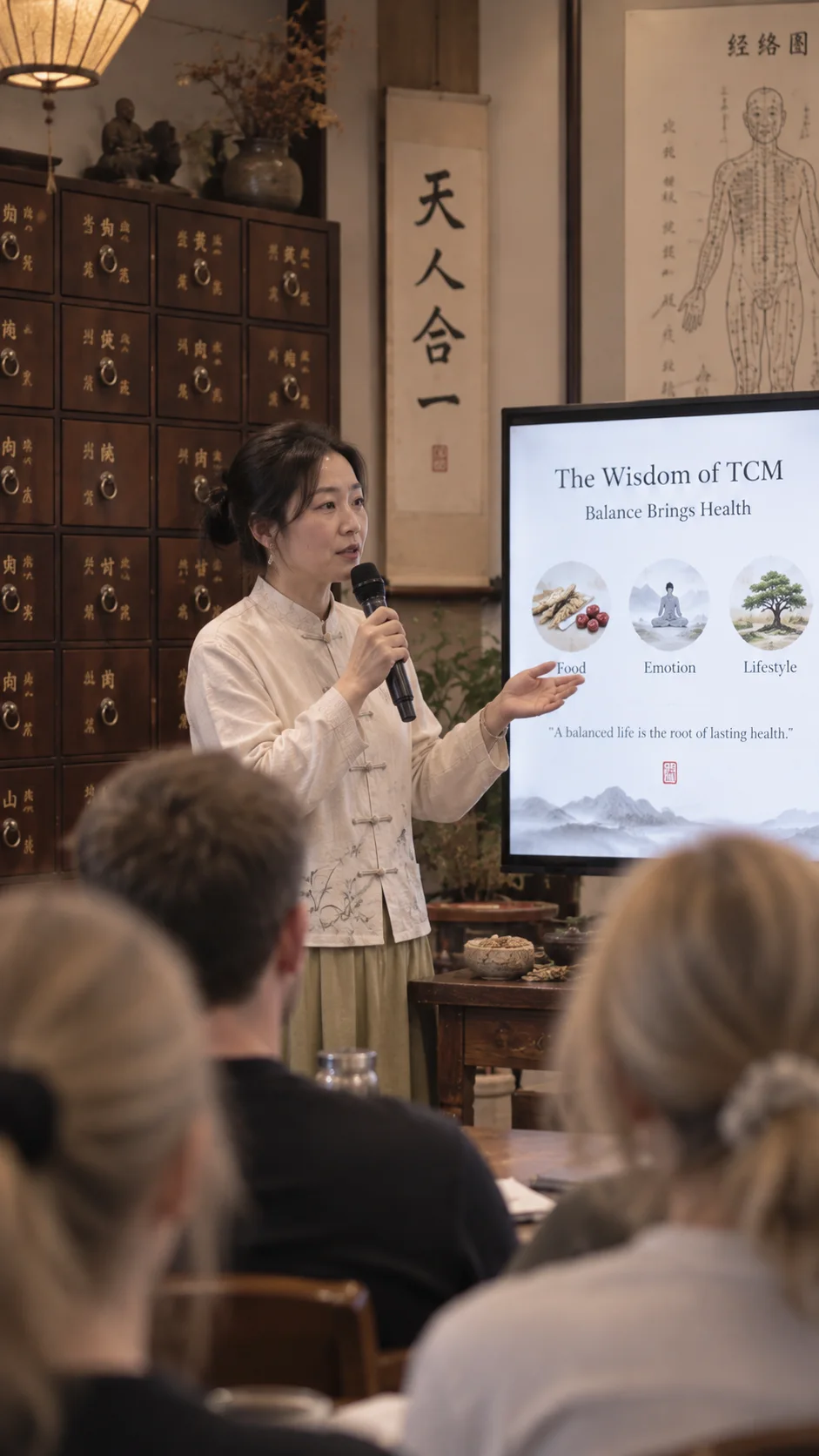
Physician
Cycles: timing, cold in the lower abdomen, the days before · The years either side of menopause
Read the introduction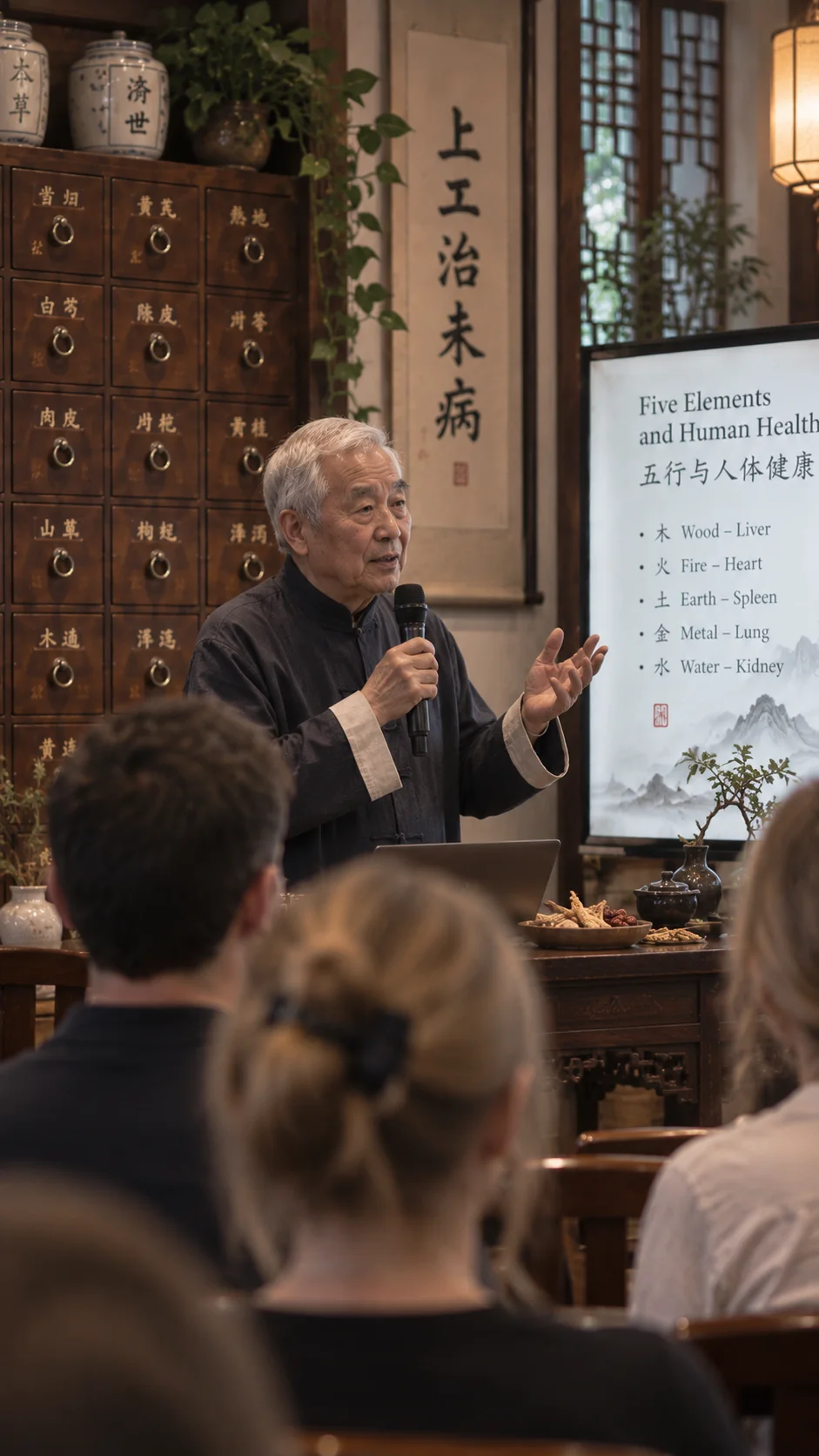
Physician
Age 68
Heaviness: after meals, in the head, in the limbs, in wet weather · Skin that flares in summer and settles in autumn
Read the introduction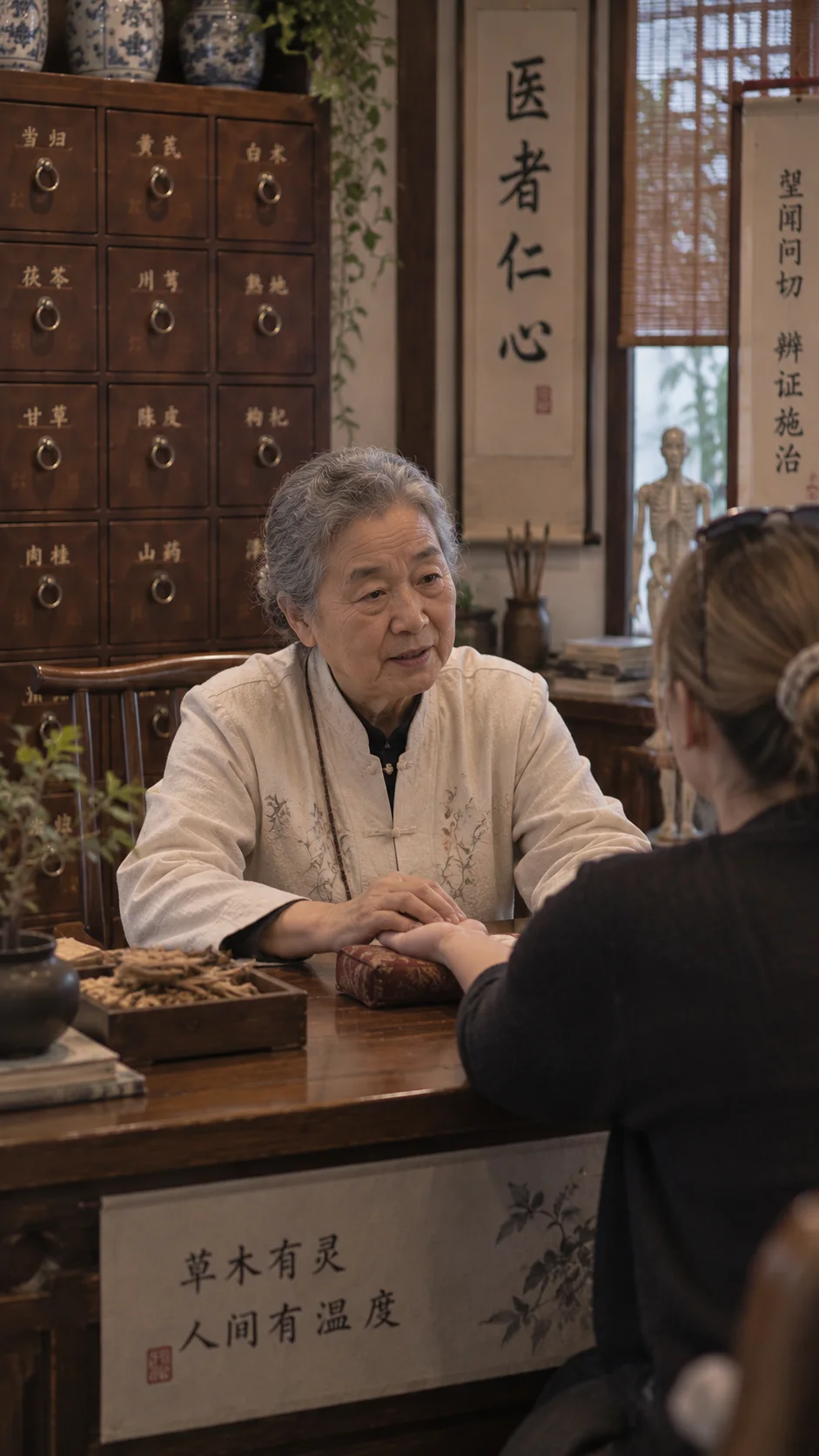
Physician
Age 76
People who work at night, or across time zones · Students, and long days spent in front of a screen
Read the introductionOpen a profile for each physician’s introduction and areas of focus.
The method
Chinese medicine has looked at people the same four ways since the Han dynasty: ask, look, listen, and feel the pulse. We can do three of them across an ocean. The fourth needs a wrist, so we say plainly that it is missing rather than pretending a screen can find it.

01
Thirty questions about sleep, appetite, temperature, digestion, energy and mood — plus room to write anything in your own words. This is the oldest of the four examinations, and still the one that carries the most.

02
One photograph of your tongue, taken in daylight. Its colour, coating and shape have been read as a map of the interior for two thousand years, and a photograph carries almost everything the eye would.

03
A physician reads the whole intake and identifies which pattern it fits — 辨证, the act of distinguishing. Not a disease. A description of how your particular system is currently running.

04
A report arrives as a PDF within forty-eight hours: what was seen, what it means, and what to eat, press and change. Signed by the person who wrote it, with their licence number.


Inside the report
It is a document, not a dashboard. Nothing in it updates, nothing in it expires, and nothing in it needs an app. People print them.
The written tradition
Chinese medicine has been written down, argued with, corrected and reprinted continuously for more than two thousand years. Three books carry most of the weight, and every suggestion in your report can be traced back to one of them.

The Inner Canon of the Yellow Emperor
Written as a conversation between a ruler and his physician. It is where qi, yin and yang, the organ networks and the seasons are first set down as a working system rather than a belief — and where the sentence sits that the whole tradition still turns on: the finest physicians attend to what is not yet illness.
Read what it says
On Cold Damage
Zhang Zhongjing wrote it after an epidemic killed two thirds of his clan. It is the first text to move case by case — this presentation, therefore that response — and it is the reason pattern differentiation exists as a method at all.
Read what it says
The Compendium of Materia Medica
Li Shizhen walked the country for twenty-seven years correcting the herbals he had inherited. Darwin cited it. Our name comes from it: 本草, root and herb — the plain word for what grows and what it is for.
Read what it saysThe boundary
We are licensed in China and nowhere else. That is not a disclaimer buried in a footer — it decides what this product is allowed to be, and we would rather you knew the shape of it before you pay.
Why the line sits exactly thereOur written practitioner disclosure
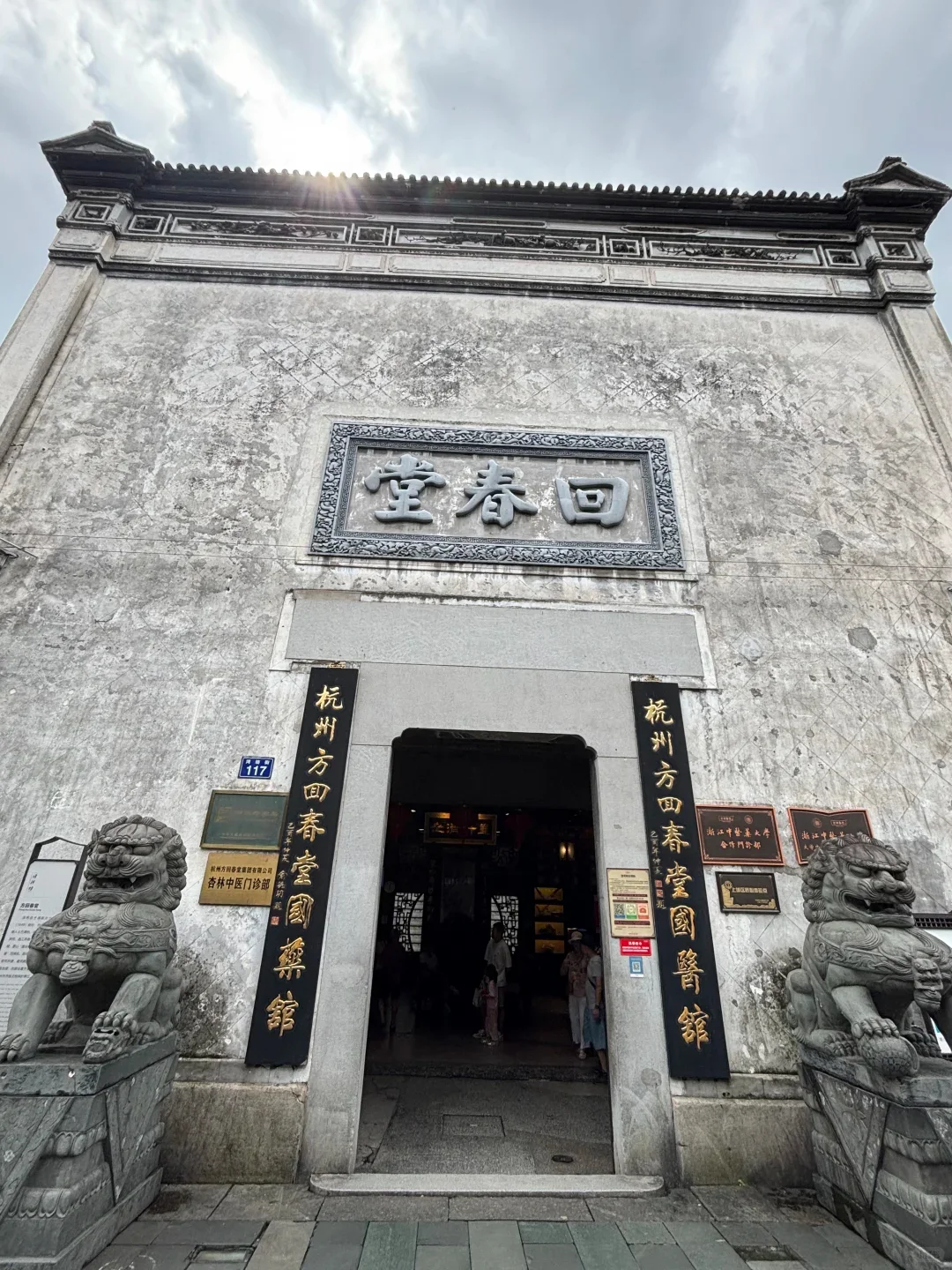
The house
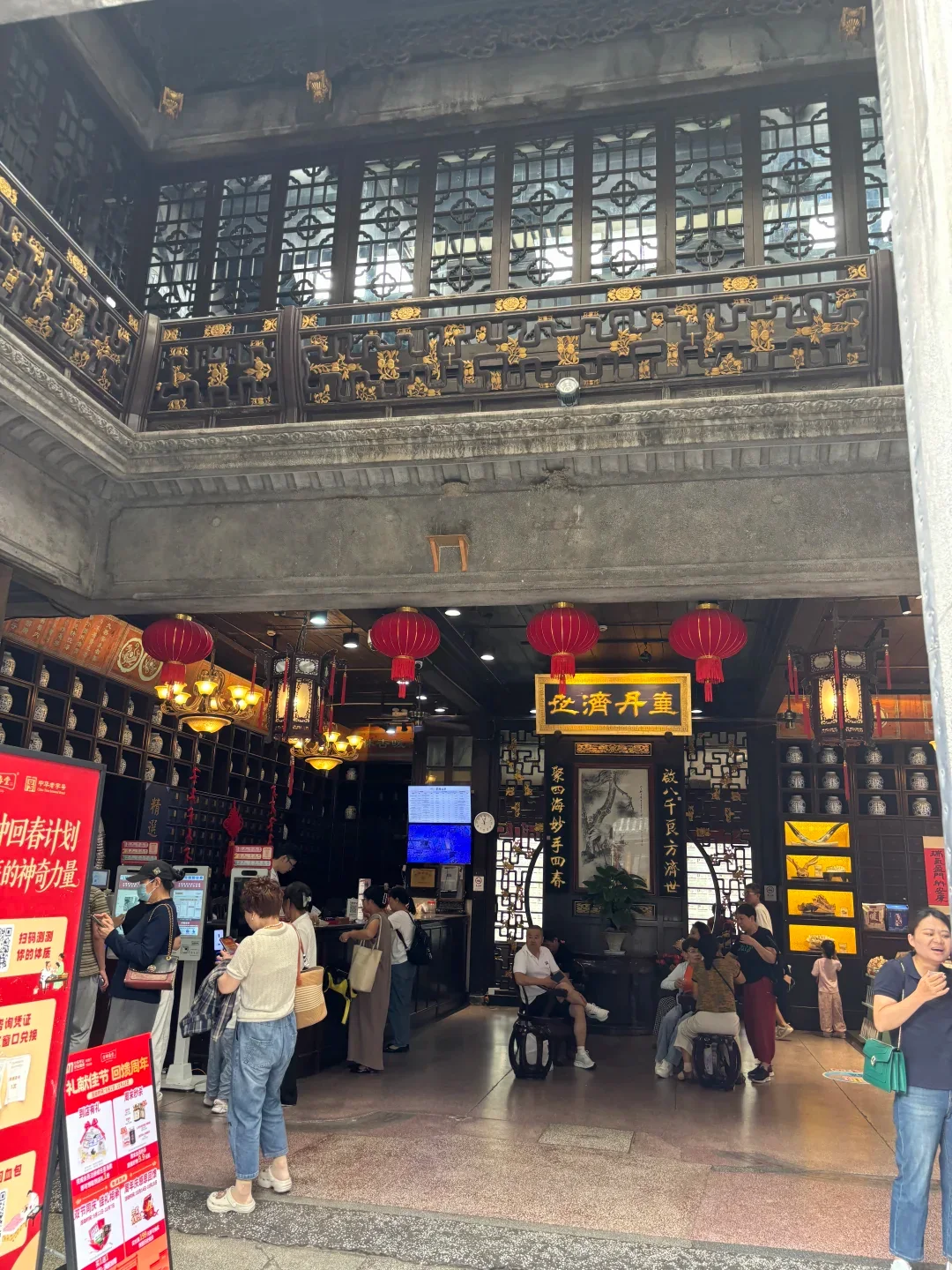
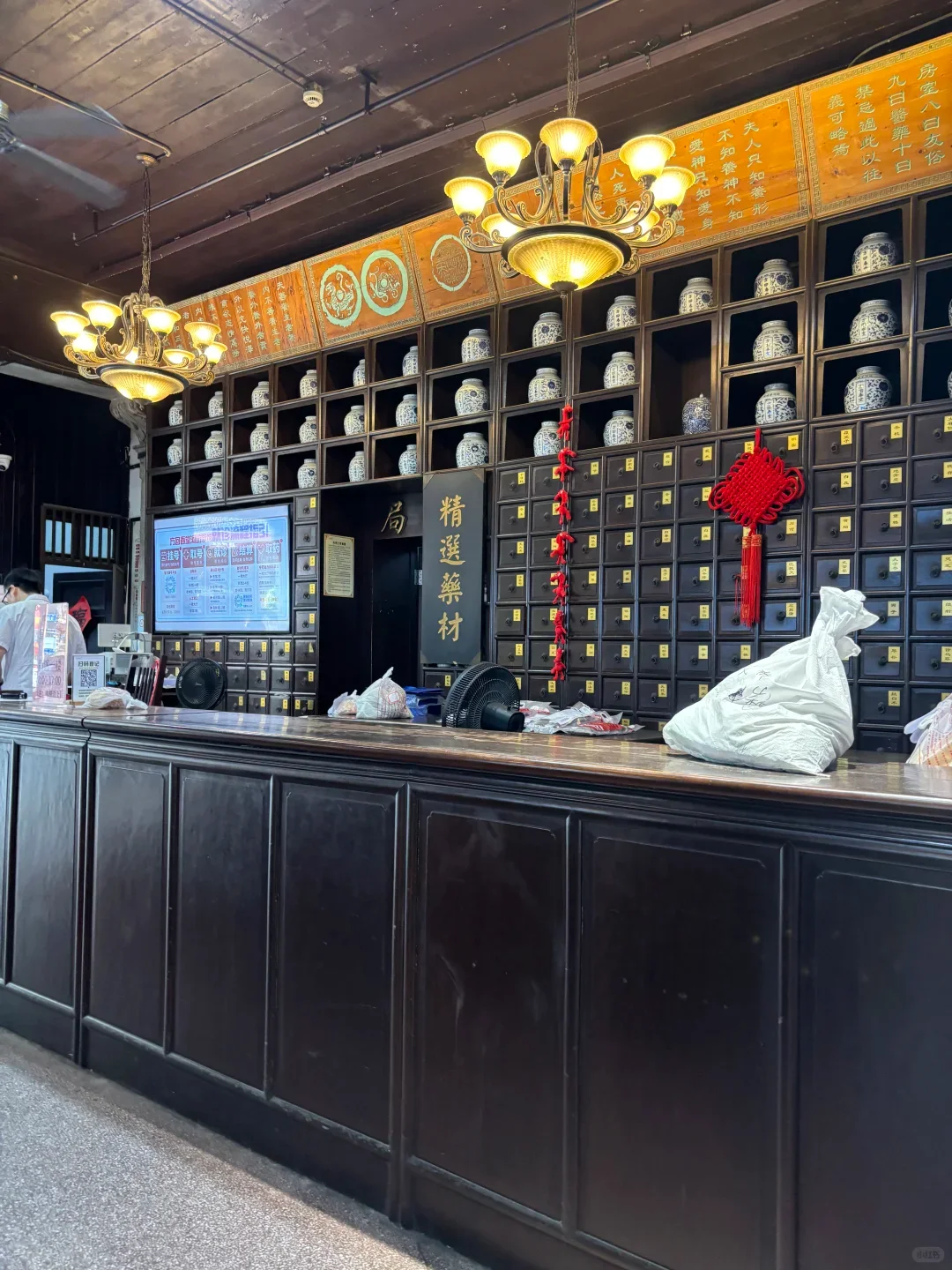
Bencao House is four physicians licensed to practise Chinese medicine in the People’s Republic of China. Each of them reads intakes and writes reports, and every report is signed by the physician who wrote it. Fang Huichuntang in Hangzhou is our partner.
Much of a consultation does not transfer overseas. We cannot send you herbs, and we would not want to. What does transfer is the part that happens before the herbs: the questions, the looking, the naming, and the unglamorous advice about what to eat and when to sleep — which is what Chinese medicine spends most of its time on anyway.
So we write it down. Slowly, one person at a time, in a language that is not our first, because the alternative is that this stays behind a language barrier forever.
Free to read
The report is worth paying for because it is about you specifically. The tradition itself is not ours to charge for, so it is all here, sourced, and written by the same four people.


Begin
Take twelve minutes. You can stop and come back — nothing is charged until the last step, and nothing is sent to a physician until you decide to send it.
Begin a reading — $39Questions first
Educational and general wellness information from the perspective of Traditional Chinese Medicine. Not a substitute for care from a licensed healthcare provider where you live.
